
Category: Death Adjacent
-
Physiological benefits of slow breathing.

It is no coincidence that most of the world’s spiritual and contemplative disciplines involve some form of breathing focused practice. This paper provides a comprehensive review of the scientific literature concerning the beneficial effects of slow breathing on our physiological systems. Link to full article (pdf): The physiological effects of slow breathing in the healthy…
-
Electrical activity in the brain at the time of death.

Does the brain have one last mental hurrah before it dies? There are many voices in the scientific community (perhaps most voices) who believe that accounts of near-death experiences including the consistently reported out-of-body experiences, transcendental perceptions and panoramic life reviews are simply the result of a final burst of chemical and electrical activity in…
-
Identifying the Near Death Experience.

The Near-Death Experience scale was developed in 1983 by Dr Bruce Greyson in an attempt to provide a reliable, valid and simple way for clinicians to identify an NDE. It consisted of 16 questions, and the person would choose from a series of provided (weighted) responses for each one. Link to Bruce Greyson’s original 1983…
-
The Mystery of Terminal Lucidity

Terminal Lucidity (also known as paradoxical lucidity or, in this case, energy surge) is a poorly understood condition where a person with existing significant cognitive decline such as Alzheimer’s or end-stage cancer suddenly improves. They may recognise their surroundings and family members again and hold meaningful, appropriate conversations. The US National Institute of Ageing defines…
-
Is reality like your computer desktop?

Donald Hoffman is a psychologist, philosopher and professor at the Department of Cognitive Sciences at the University of California. He is also author of a book: The Case Against Reality: Why Evolution Hid the Truth from Our Eyes. Professor Hoffman is another scientist who is exploring the possibility that the consensus reality we take for granted as…
-
Scientists in glass houses.
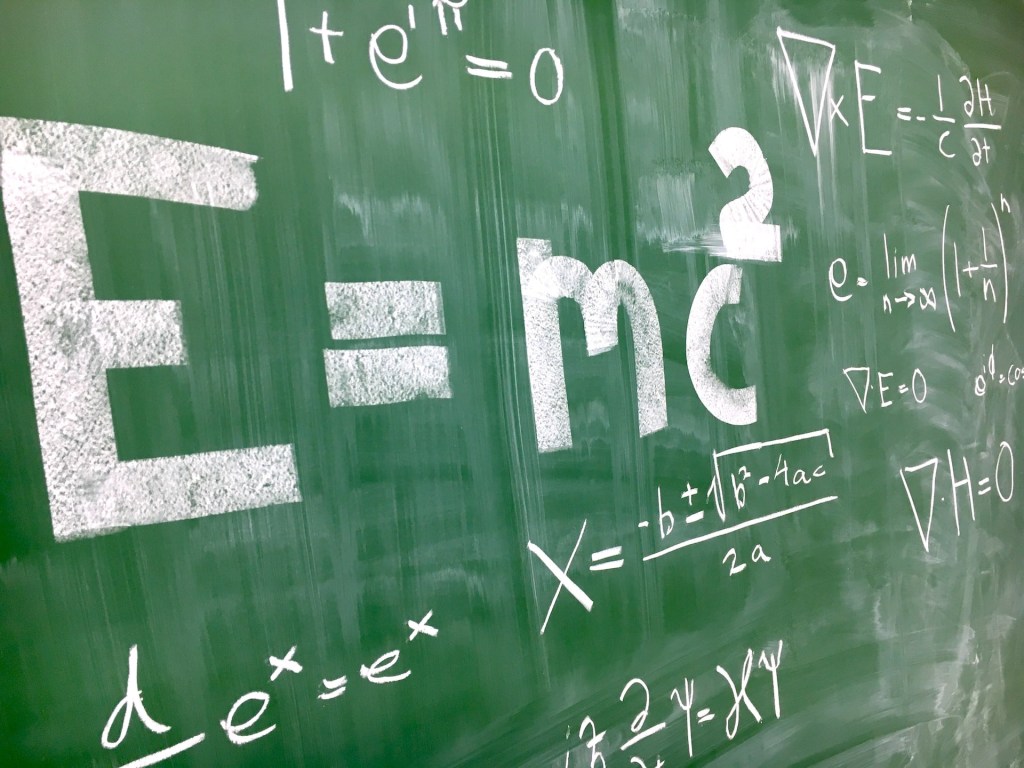
Science is always quick to critique and subdue experiences and theories from the margins of parapsychology, pseudo-science, philosophy, and non-mainstream healing practices. Moreover, they are often particularly sensitive to have their own theories on Quantum Mechanics (QM) co-opted by these ‘other’ non-scientific tribes in speculations as to what exactly the heck is going on in our universe.…
 deathPoints.com